
How Tree Trimming Can Protect Your Property
Tree trimming is not merely a cosmetic endeavor; it is a strategic investment in the health of your trees and the safety of your property. By carefully removing dead, overgrown, or potentially hazardous branches, homeowners can significantly reduce the risk of damage during storms, improve the structural integrity of trees, and maintain a vibrant and healthy landscape. The practice of tree trimming extends beyond aesthetics—it is a preventative measure that safeguards both your home and your investment in your outdoor environment.
When trees are neglected, they become more vulnerable to disease, pests, and structural weaknesses. Limbs that overhang rooftops or hang precariously over walkways pose a tangible threat, especially during periods of high winds or ice storms. Tree trimming addresses these concerns by removing weak or damaged branches before they become hazards. Properly executed trimming not only enhances the visual appeal of your property but also minimizes the potential for costly repairs caused by fallen limbs or storm damage.
Reducing Storm Damage Through Tree Trimming
One of the most compelling reasons to invest in regular tree trimming is storm preparedness. Severe weather can strike without warning, and trees that have been properly maintained are far less likely to contribute to property damage. By trimming back branches that encroach on your roof, driveway, or other structures, you are proactively reducing the risk of broken limbs causing harm.
Tree trimming also encourages the development of a strong tree structure. By selectively removing weak branches and encouraging balanced growth, homeowners can ensure that their trees are better equipped to withstand high winds. This structured approach to pruning can prevent the splitting or toppling of trees during storms, safeguarding both your home and your family.
Furthermore, tree trimming can improve visibility and airflow around your property. Overgrown branches can obstruct views, limit sunlight, and restrict the natural circulation of air. By maintaining an open canopy through careful trimming, trees are less susceptible to the accumulation of moisture and decay that can lead to weakened limbs and increased vulnerability during storms.
Enhancing Tree Health Through Tree Trimming
Tree trimming is equally vital for the overall health of your trees. Dead, diseased, or damaged branches can compromise a tree's ability to thrive. Removing these problematic areas allows the tree to focus its energy on healthy growth, resulting in stronger branches and a more robust structure.
According to Iowa State University, you should always leave 70% of the tree height with live branches when trimming a tree. This guideline ensures that the tree retains sufficient foliage for photosynthesis while allowing for effective removal of hazardous limbs. Maintaining this balance is critical for long-term tree health and stability, as over-pruning can weaken a tree and leave it more vulnerable to disease and environmental stressors.
Tree trimming also facilitates the early detection of disease and pest infestations. By regularly inspecting and pruning trees, homeowners can identify potential problems before they escalate. Early intervention can prevent the spread of infection and limit damage, reducing the likelihood of costly treatments or tree removal.
Preserving Property Value Through Tree Trimming
Well-maintained trees contribute significantly to the value of your property. Tree trimming not only enhances curb appeal but also demonstrates a commitment to proper landscaping and maintenance, which can be a decisive factor for potential buyers. Overgrown or neglected trees, on the other hand, can create a perception of disrepair and present hidden risks that may deter prospective buyers.
Strategic tree trimming can highlight the natural beauty of your landscape, framing your home and creating a welcoming environment. By shaping trees thoughtfully, homeowners can accentuate architectural features, improve sightlines, and create functional outdoor spaces. This level of care communicates that the property is well-maintained, increasing its market appeal and overall value.
Additionally, trimmed trees reduce the likelihood of damage to other landscape elements, such as gardens, fences, and patios. Branches that grow unchecked can interfere with irrigation systems, encroach on neighboring properties, and compromise hardscape installations. Tree trimming mitigates these risks, ensuring that your entire property remains protected and visually cohesive.
Preventing Safety Hazards Through Tree Trimming
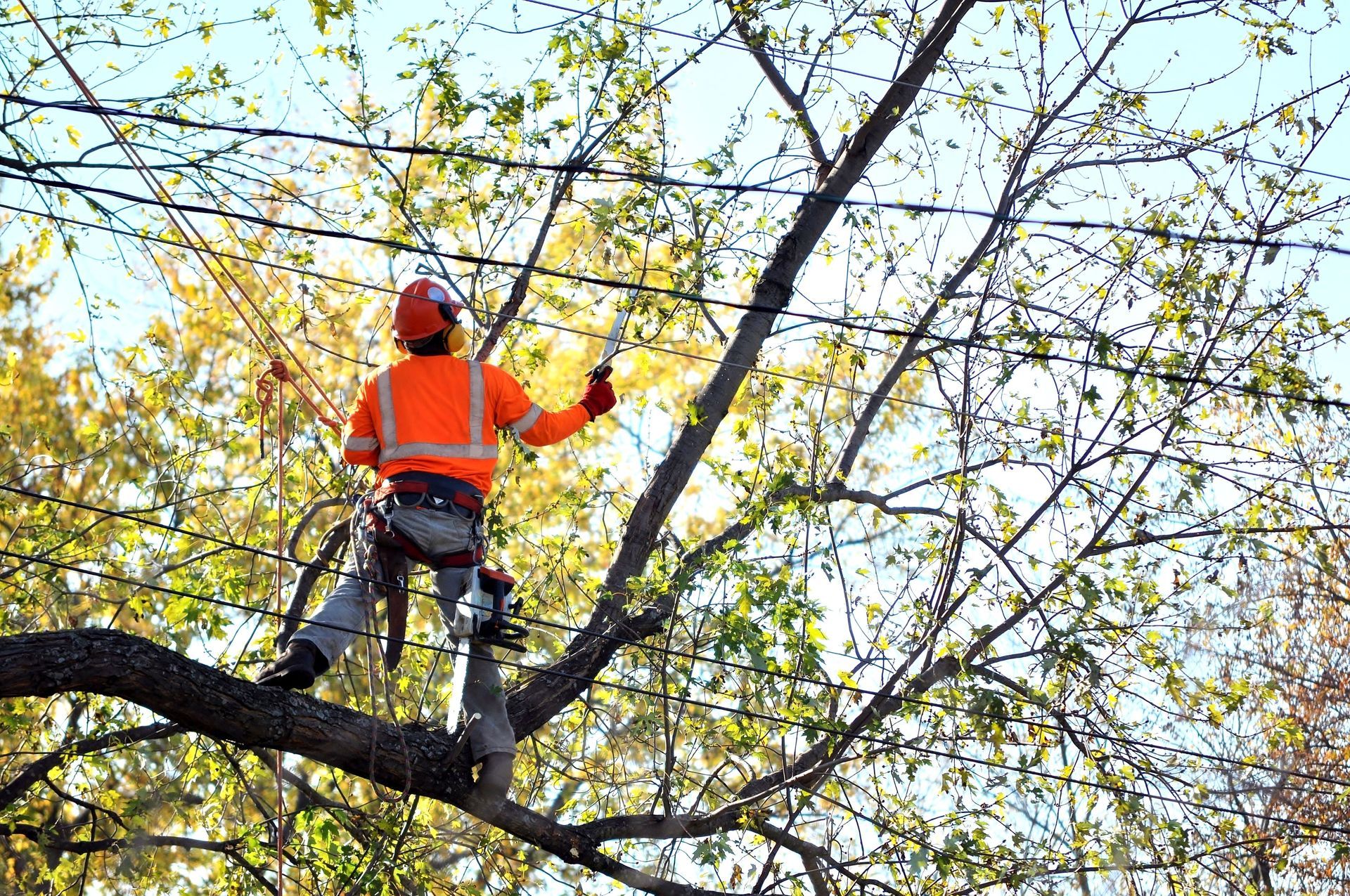
Safety is one of the most immediate and tangible benefits of tree trimming. Unmanaged trees pose multiple hazards to both people and property. Falling branches can injure children, pets, or visitors, while overgrown limbs near power lines can lead to outages or electrical fires. By addressing these risks proactively through tree trimming, homeowners create a safer environment for all.
Tree trimming also reduces fire hazards in regions prone to wildfires. Dead and dry branches serve as fuel for fires, increasing the likelihood of ignition and rapid spread. By removing these vulnerable areas, homeowners can minimize fire risks and protect both their property and their community.
Proper trimming techniques also account for structural integrity. Trees with weak crotches, narrow branch angles, or competing leaders are more likely to fail under stress. Through careful evaluation and pruning, tree trimming corrects these vulnerabilities, reinforcing the tree's ability to withstand environmental challenges.
Supporting Environmental Health Through Tree Trimming
Tree trimming is not only beneficial for individual properties but also plays a role in broader environmental stewardship. Healthy trees contribute to improved air quality, enhanced biodiversity, and better soil stabilization. By maintaining the structural and physiological integrity of trees through trimming, homeowners support the long-term sustainability of their local ecosystem.
Well-pruned trees allow sunlight to reach understory plants, encouraging the growth of grass, shrubs, and other vegetation. This diversity fosters a healthier ecosystem, attracting pollinators and wildlife that contribute to the balance of the natural environment. Tree trimming, therefore, extends beyond property protection—it serves as a proactive measure to promote ecological health and resilience.
Additionally, maintaining trees through trimming can reduce the risk of stormwater runoff. Healthy, well-spaced branches enable better absorption and distribution of rainfall, preventing soil erosion and minimizing the burden on drainage systems. This environmental benefit complements the protective advantages for your property, creating a synergistic approach to landscaping and sustainability.
Ensuring Professional Precision in Tree Trimming
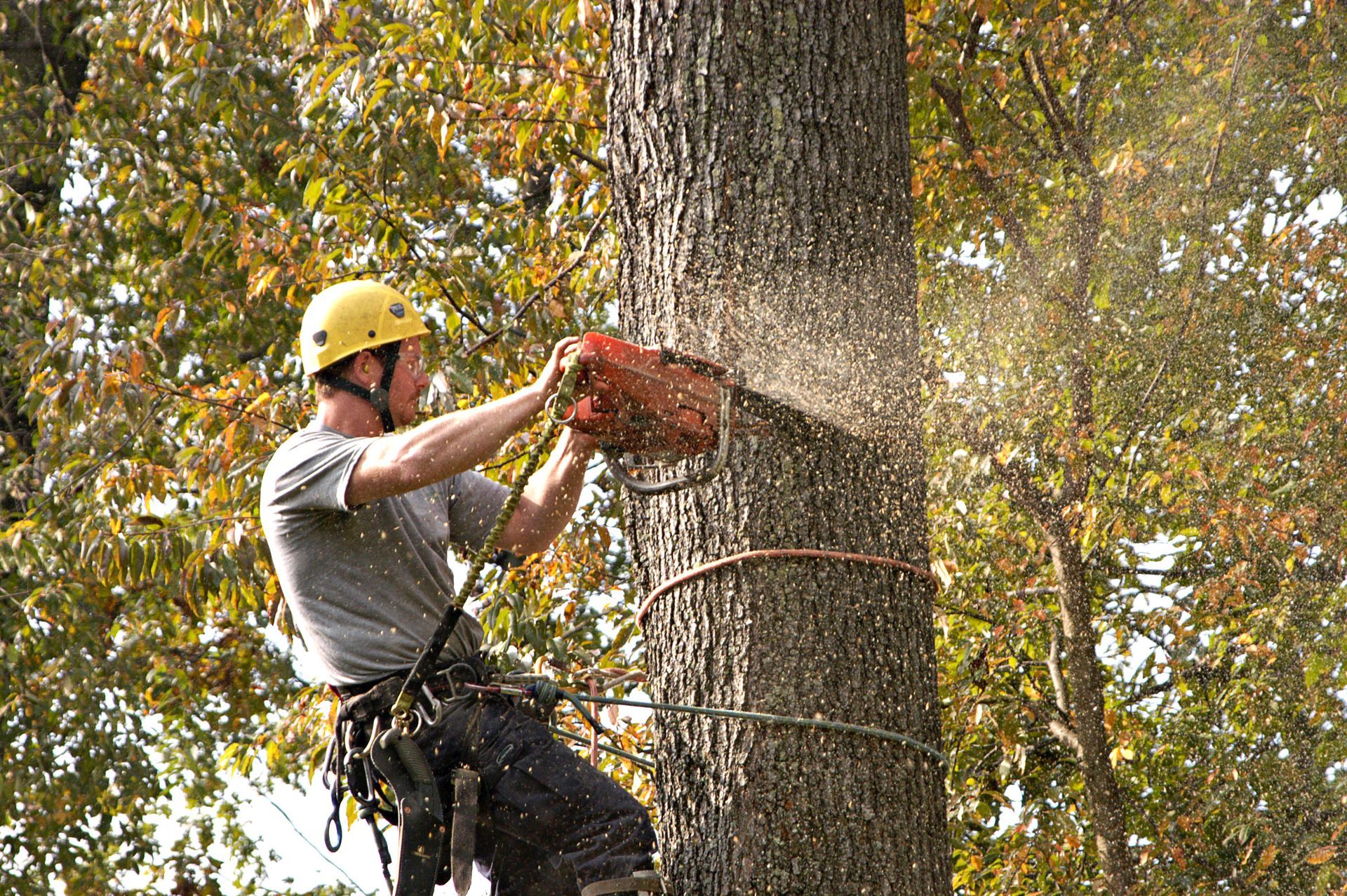
While the benefits of tree trimming are clear, achieving them requires expertise and precision. Improper techniques can harm trees, reduce their lifespan, or create additional hazards. Professional tree trimming services are equipped with the knowledge, tools, and experience necessary to evaluate tree health, determine the correct cuts, and execute pruning safely.
Experts assess factors such as branch weight, growth patterns, and tree species to ensure that trimming is both safe and effective. They can also provide guidance on ongoing maintenance schedules, helping homeowners plan routine tree care that maximizes both safety and aesthetics.
Professional tree trimming not only reduces the risk of injury during the pruning process but also ensures that trees remain structurally sound and visually appealing. By entrusting this task to skilled arborists, homeowners protect their property, enhance tree health, and enjoy peace of mind knowing that their landscape is maintained to industry standards.
Encouraging Long-Term Maintenance Through Tree Trimming
Tree trimming is most effective when approached as an ongoing commitment rather than a one-time event. Regular maintenance schedules, tailored to the growth rate and species of your trees, prevent minor issues from escalating into major concerns. Consistent trimming keeps trees balanced, promotes healthy growth, and ensures that hazards are addressed proactively.
By establishing a long-term tree care strategy, homeowners benefit from a predictable and manageable approach to property maintenance. Scheduled trimming reduces the likelihood of emergency repairs, minimizes risk during storms, and maintains the overall beauty and health of the landscape. This proactive approach saves time, money, and stress in the long run while protecting both property and family.
Tree trimming is an essential component of responsible homeownership. It safeguards your property from storm damage, enhances tree health, preserves property value, reduces safety hazards, and supports environmental sustainability. By investing in proper tree trimming, homeowners not only improve the visual appeal of their landscape but also take meaningful steps to protect their most valuable assets.
Ultimately, tree trimming is a proactive strategy that balances aesthetics, safety, and long-term health. By prioritizing regular, professional trimming, homeowners can enjoy a beautiful, resilient landscape that stands strong through the challenges of storms, pests, and environmental stressors. Proper tree trimming is not simply maintenance—it is a protective measure that preserves the integrity of your property while enhancing the natural beauty and longevity of your trees. If you need tree trimming services, contact Larry's Tree Service today.
Share On: